

Crafting Symbols and Stories
A Journey into Tangible Creativity
Discover how crafting transforms ideas into meaningful, tangible creations.
Learn how crafting connects creativity with culture through symbols, materials, and traditions, turning abstract ideas into lasting, meaningful experiences.
Craft as a Gateway to Creativity
Have you ever wished to turn a fleeting idea into something you can see, touch, and share? Crafting offers exactly that—a bridge between imagination and reality. Accessible to everyone, regardless of skill level, it’s a powerful way to bring abstract concepts into the physical world. Whether it’s a rough idea or a vivid vision, crafting allows you to shape your thoughts into objects that spark conversations and evoke emotions.
At its core, crafting goes beyond creating pretty things. It’s about building symbols—those timeless elements that hold deep cultural and personal meanings. Through crafting, even the simplest idea can evolve into a powerful, tangible story.
The Role of Symbols in Creativity and Culture
Symbols have been at the heart of human expression for thousands of years. They serve as visual shortcuts to complex emotions, histories, and ideas, making them essential tools in both art and communication.
Traditional Symbols: Connecting to Collective Memory
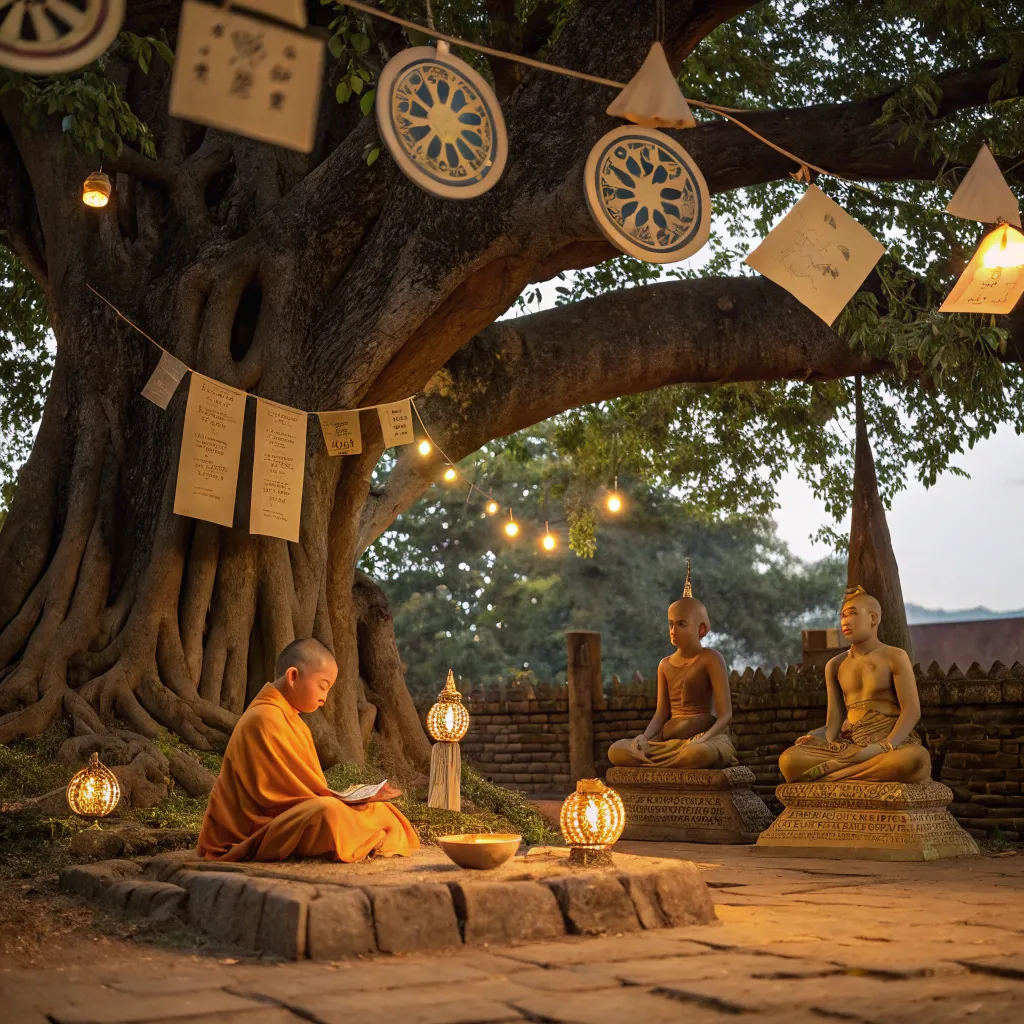
Exploring traditional symbols immerses you in the collective memory of cultures across the world. Each symbol—whether a lotus flower, a stupa, or a Buddha image—carries centuries of meaning and layers of interpretation. Crafting these symbols offers a way to connect deeply with history and tradition, giving new life to ancient stories.
Unique Symbols: Personalizing the Creative Journey
On the flip side, designing your own symbols invites you to innovate. It challenges you to find new ways to represent emotions or concepts, making the familiar strange and the strange familiar. This creative process fosters personal growth, allowing you to leave a unique mark through your work.
Materials: The Foundation of Creative Exploration
Every masterpiece starts with the right materials. In crafting, your choices can dramatically affect both the process and the final outcome. Think of materials in three main categories: construction, surfacing, and joining.
Construction Materials: Shaping the Base
- Paper and card: Flexible and easy to manipulate, perfect for structure and surface design.
- Wood: Ideal for projects needing strength and durability.
- Clay and modeling substances: Offer versatility for detailed or sculptural work.
- Glass and metal: Beautiful and resilient but require specialized tools.
- Natural materials: Stones, earth, and plant parts bring an authentic, organic feel.
Surfacing Materials: Bringing Color and Texture
Color breathes life into your creation. From traditional paints and crayons to fabrics and beads, surfacing materials allow you to add texture, vibrancy, and depth. Remember, many decorative elements will need adhesives to stay securely in place.
Joining Materials: Ensuring Strength and Cohesion
- Simple methods: String, staples, and tape often work wonders for quick fixes.
- Durable options: Nails, wire, and sewing techniques guarantee longevity and resilience.
Having a diverse selection at hand can spark spontaneous inspiration. Whether you’re salvaging materials from a factory visit or gathering treasures on a nature walk, collecting resources becomes part of the mindful creative process.
Table: Essential Material Types and Their Uses
| Category | Examples | Main Purpose |
|---|---|---|
| Construction | Paper, wood, clay | Building structure and form |
| Surfacing | Paints, fabrics, beads | Adding color, texture, and detail |
| Joining | String, nails, sewing | Connecting parts securely |
| Natural Additions | Stones, leaves, earth | Bringing authenticity and organic feel |
| Specialized Materials | Glass, metal | Creating refined, long-lasting pieces |
Projects That Illuminate Meaning
Craft projects often go beyond personal satisfaction—they tap into deeper cultural and spiritual traditions. One beautiful example is crafting for Vesak, a Buddhist festival celebrating enlightenment, compassion, and renewal.
Vesak Lanterns: Symbols of Light and Hope
Light is a universal metaphor for wisdom and clarity. During Vesak, people craft intricate lanterns that light up the night, symbolizing the journey toward enlightenment. Handmade from simple materials like bamboo and colorful paper, these lanterns are beautiful reminders of spiritual aspirations.
The Transformative Power of Fire
Fire has fascinated humanity for millennia. In rituals and celebrations, it represents transformation, energy, and purity. Crafting safe fire elements—such as lanterns with small candles or using LED alternatives—blends traditional aesthetics with modern safety considerations.
Crafting Sacred Symbols: Stupas and Buddha Images
Building Stupas: Monuments of Mindfulness
A stupa is far more than just an architectural structure; it embodies the essence of mindfulness and the Buddhist path. Traditionally, stupas house sacred relics and symbolize enlightenment itself. Whether you create a miniature stupa from clay and wood or collaborate on a larger community project, building one encourages reflection, patience, and shared purpose.
Crafting a stupa is an opportunity to work with basic construction techniques while engaging deeply with spiritual values. Children, adults, and even entire communities often take part in these projects, making it a meaningful multigenerational activity.
Crafting a Buddha Image: A Personal Spiritual Journey
Creating a Buddha image invites both artistic exploration and spiritual introspection. Depending on your approach, the final piece could be rustic and earthy or polished and intricate. Materials like clay, carved wood, or even recycled metals offer countless possibilities.
Beyond the technical challenge, this project fosters a quiet sense of connection—bringing you closer to the teachings of compassion, mindfulness, and wisdom. Every choice, from posture to facial expression, holds symbolic importance and allows for profound creative expression.
Engaging the Senses: Sound and Storytelling
Creativity in crafting is not limited to the visual realm. Sound and storytelling are equally powerful tools for engaging the senses and enriching the experience.
The Power of Sound: Chanting and Mantras
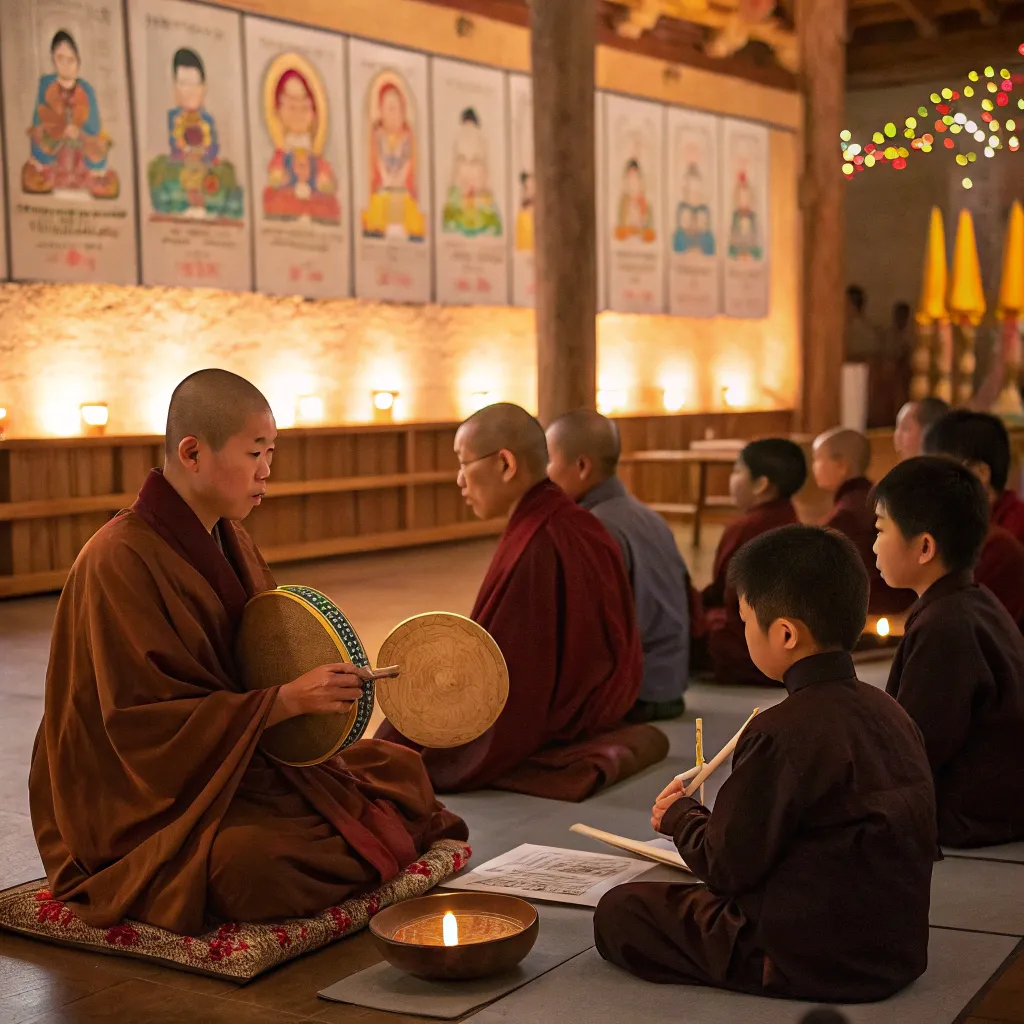
Chanting ancient mantras is not just an auditory experience; it’s a way to center the mind and open the heart. Crafts can support this practice by creating simple musical instruments like chimes, drums, or hand-held bells. Handmade sound elements add a personal touch to ceremonies, making rituals more immersive and heartfelt.
These activities also highlight the role of repetition and rhythm in fostering mindfulness—helping participants focus, relax, and connect with deeper layers of consciousness.
Storytelling Through Craft: The Wisdom of the Jataka Tales
Storytelling crafts bring ancient narratives to life. The Jataka tales, recounting the previous lives of the Buddha, are filled with lessons about kindness, perseverance, and wisdom. Children and adults alike can create puppets, illustrated story panels, or simple comic strips based on these stories.
Engaging with these narratives through craft not only makes learning more interactive but also strengthens cultural connections and ethical understanding. It’s a beautiful way to pass timeless wisdom to new generations.
Table: Examples of Craft Projects and Their Symbolic Meaning
| Craft Project | Symbolic Meaning | Materials Commonly Used |
|---|---|---|
| Vesak Lantern | Enlightenment, hope, renewal | Bamboo, paper, thread |
| Miniature Stupa | Mindfulness, path to enlightenment | Clay, wood, stone |
| Buddha Statue | Compassion, wisdom, mindfulness | Clay, wood, metal, recycled materials |
| Chime for Chanting | Focus, inner peace | Metal rods, string, wood |
| Jataka Tale Puppet | Ethical values, spiritual lessons | Paper, fabric, sticks |
The Beginning of Siddhattha’s Transformative Journey
The relationship between craft and spirituality becomes even more inspiring when we turn to the story of Siddhattha, the prince who would become the Buddha. His life mirrors the crafting process: beginning with raw material, shaped by introspection and effort, transformed into something truly profound.
A Birth Surrounded by Mystical Signs
In the ancient city of Kapilavatthu, Queen Maha Maya experienced a visionary dream: a white elephant offering her a lotus flower, heralding the birth of an extraordinary child. Under the spreading branches of a sal tree, Siddhattha was born—a moment celebrated with celestial music and wonder, symbolizing the arrival of wisdom into the world.
This sacred beginning is not merely myth; it sets the stage for understanding the potential hidden within every human life. Just like crafting from simple materials, Siddhattha’s journey reveals how humble beginnings can lead to extraordinary transformations.
A Life in a Gilded Cage
From infancy, Siddhattha was wrapped in luxury. His father, King Suddhodana, constructed pleasure gardens and shielded the young prince from anything unpleasant. Life within the palace glittered with opulence, but it was a carefully curated illusion.
Despite the extravagant surroundings, a growing sense of emptiness gnawed at Siddhattha. As with a perfectly decorated craft project missing its core purpose, he sensed there was more to existence than sensory pleasures and material achievements.
Smooth Transition: What Lies Ahead
As Siddhattha’s awareness grew, so did his yearning to understand the deeper truths of life—a calling that would soon drive him beyond the palace gates and into a world filled with real human experiences. His journey, like crafting a meaningful object, would require both imagination and courage.
In the next section, we will explore the pivotal encounters that awakened Siddhattha’s quest and the profound lessons he uncovered on the path toward enlightenment.