
The Bodhi Tree
A Sacred Symbol of Enlightenment and Mindfulness
The Bodhi Tree and the Birth of Awakening
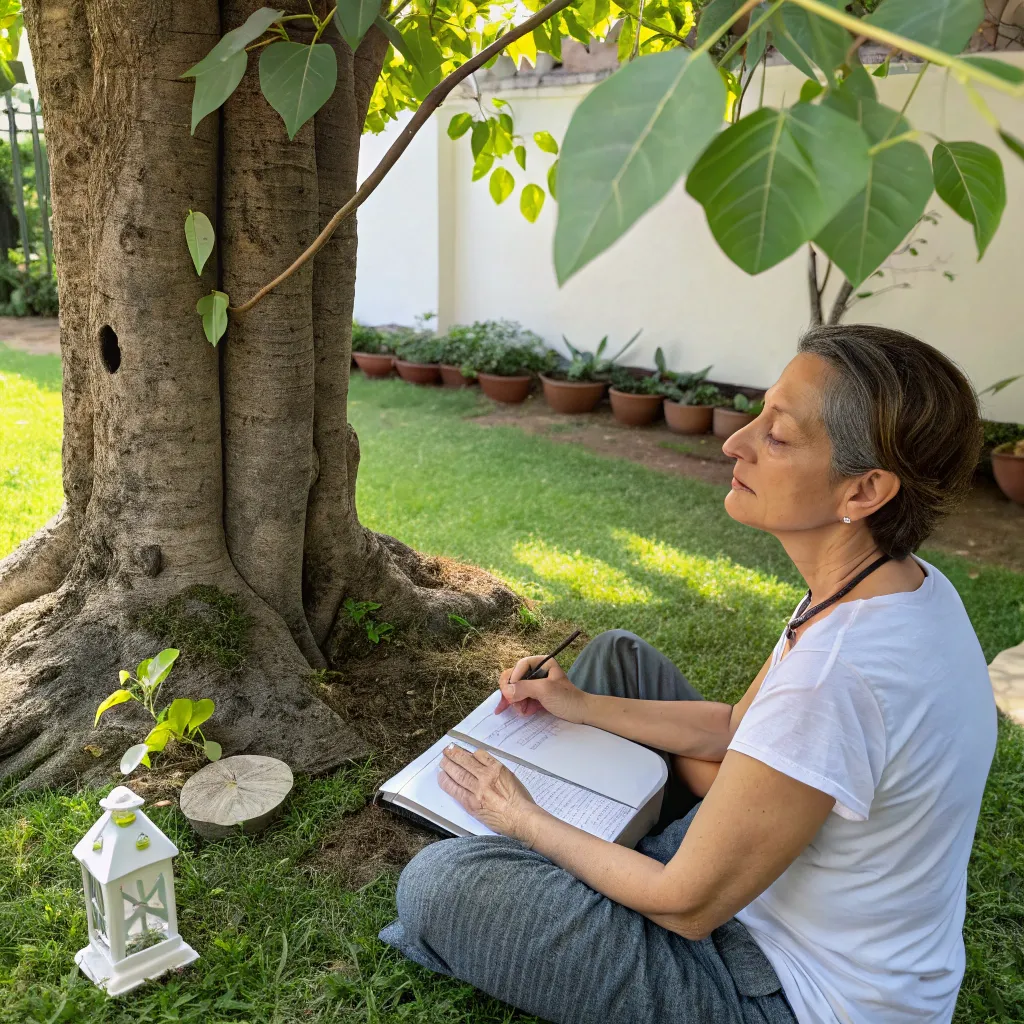
The Bodhi Tree, known scientifically as Ficus religiosa, is far more than a species of fig tree native to the Indian subcontinent. In Buddhist tradition, it represents the very heart of spiritual awakening. It was under the shade of this tree in Bodh Gaya, India, that Siddhartha Gautama achieved enlightenment and became the Buddha.
But why does this single tree continue to captivate hearts and minds around the world centuries later? Its enduring power lies in what it symbolizes: the potential within every individual to awaken, grow, and find peace through insight and compassion.
Enlightenment Beneath the Leaves
The Moment That Changed the World
According to Buddhist texts, Siddhartha spent 49 days in meditation beneath the Bodhi Tree. On the final day, he transcended the illusion of suffering and attained Bodhi—awakening or enlightenment. This moment marked the beginning of Buddhism as a spiritual path focused on understanding the causes of suffering and the route to liberation.
Since then, the tree has served as a living metaphor for rootedness in truth, resilience in the face of adversity, and the branching out of wisdom to nourish others.
More Than a Tree: A Symbol of Universal Truth
The Spiritual Meaning Behind the Symbol
The Bodhi Tree’s importance is not just historical—it’s symbolic. Its heart-shaped leaves with delicate tips are often interpreted as symbols of compassion and clarity. Just as the tree stood firm while the Buddha wrestled with inner demons and doubt, it reminds practitioners to remain steady and focused amid the distractions of life.
Whether you’re a practicing Buddhist or simply someone seeking mindfulness, the Bodhi Tree offers an inclusive invitation: sit, reflect, grow.
Guardians of the Tree: A Heritage Protected Through Time
From Ancient Kings to Modern Monks
Preserving the original Bodhi Tree and its descendants has long been a sacred duty. One of the most notable protectors was King Ashoka, a 3rd-century BCE Indian emperor who embraced Buddhism and safeguarded the tree by constructing protective barriers. He even sent saplings to Sri Lanka, where one still thrives today at Anuradhapura—making it one of the oldest human-planted trees in recorded history.
Today, preservation efforts continue at sites like Bodh Gaya, where both environmental and spiritual initiatives ensure the tree’s health and symbolic power remain intact.
Table: Key Facts About the Bodhi Tree
| Aspect | Details |
|---|---|
| Scientific Name | Ficus religiosa |
| Location of Original Tree | Bodh Gaya, Bihar, India |
| Historical Event | Buddha’s Enlightenment (c. 5th–6th century BCE) |
| Famous Descendant Tree | Jaya Sri Maha Bodhi in Anuradhapura, Sri Lanka |
| Age of Jaya Sri Maha Bodhi | Over 2,300 years (planted in 288 BCE) |
| Symbolism | Awakening, resilience, mindfulness, peace |
| Protected By | King Ashoka, Buddhist monks, UNESCO efforts |
| Practices Associated | Meditation, rituals, leaf crafts, environmental ceremonies |
A Tree That Lives in Practice
Rituals and Daily Acts of Connection
Across Buddhist cultures, the Bodhi Tree is part of living spiritual practice. People meditate beneath its branches, hang colorful prayer flags, or place small offerings at its base. In some temples, crafted Bodhi leaves made from metal, clay, or dried foliage are inscribed with prayers or names, serving as personal acts of devotion.
Others simply plant a Bodhi Tree sapling at home or in a public garden, using it as a daily reminder of inner growth and mindfulness.
Whether through planting, praying, or pausing beneath its shade, the Bodhi Tree becomes a personal teacher.
The Bodhi Tree as Sacred Art
Crafting Connection Through Creativity
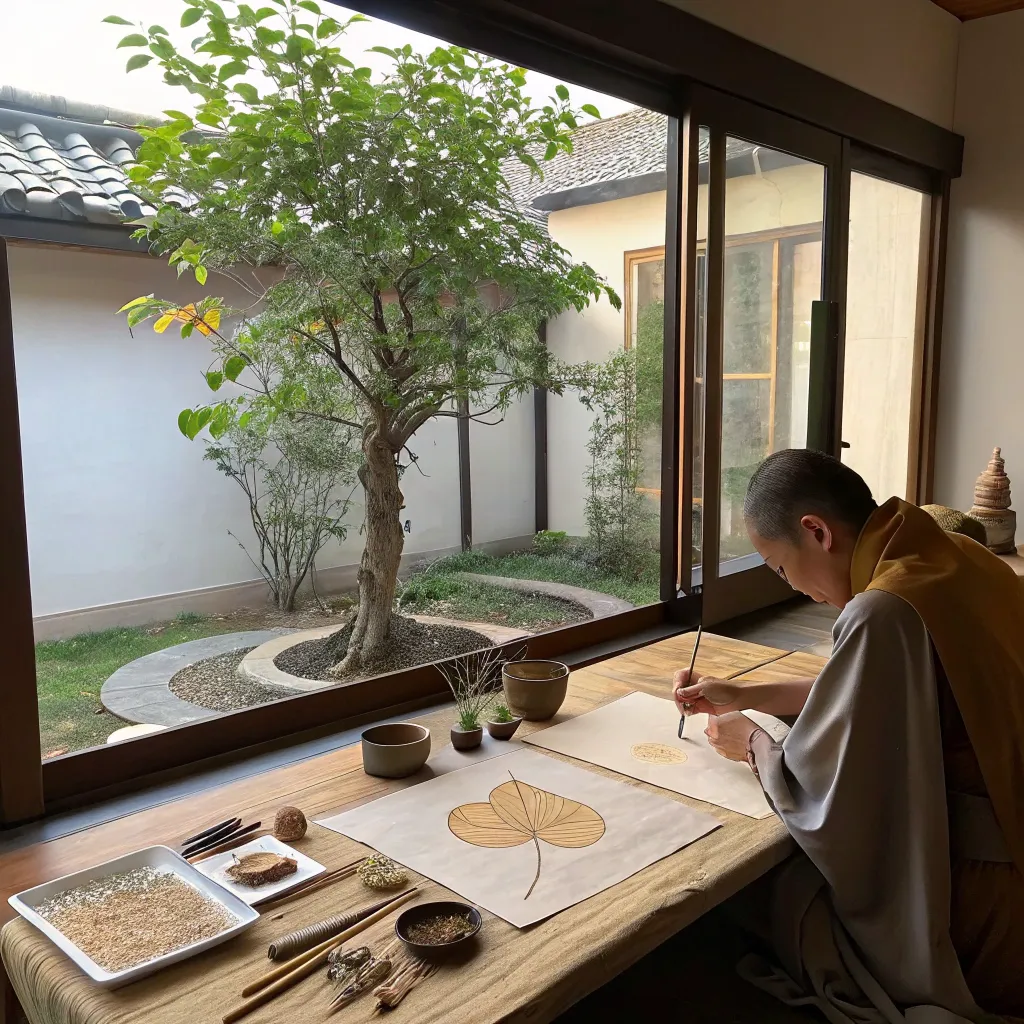
Creating artwork inspired by the Bodhi Tree—particularly its leaves—has become a popular meditative practice in Buddhist and non-Buddhist communities alike. These heart-shaped leaves are pressed, painted, or engraved into symbols of serenity and intention, often used in altars or mindfulness corners.
This creative process does more than produce something beautiful; it invites the maker into a space of stillness and reflection. Just as each vein in a Bodhi leaf leads toward its tip, every mindful stroke of the brush can lead a person closer to understanding and self-awareness.
Rooted in the World: The Bodhi Tree Today
From Sacred Groves to Global Gardens
The Bodhi Tree’s influence now reaches far beyond the Indian subcontinent. Its descendants grow in monasteries in Thailand, Nepal, Japan, and the West, with saplings gifted to temples and communities as a gesture of peace and continuity. In urban centers, botanical gardens, and eco-retreats, the tree finds new soil—both literal and metaphorical.
Its spiritual symbolism crosses cultural lines, resonating with anyone who seeks grounding, wisdom, and a moment of quiet in a noisy world.
A Living Symbol in the Digital Age
Ancient Roots, Modern Reach
In today’s interconnected world, the Bodhi Tree has found a new home online. Virtual sanghas (spiritual communities), online meditation groups, and wellness platforms often reference the Bodhi Tree as a unifying emblem. You’ll find its leaf on digital wallpapers, retreat branding, or Instagram pages focused on mindfulness.
The message remains the same: seek stillness, find wisdom, live with intention.
Through this virtual presence, the Bodhi Tree reaches new generations—those who may not sit beneath its actual branches but still carry its essence in their practice.
Planting Seeds of Mindfulness
Growth, Presence, and Community
The act of planting a Bodhi Tree—whether in a temple courtyard or community garden—embodies more than a botanical gesture. It represents hope, renewal, and a commitment to spiritual and ecological well-being.
Communities around the world now hold Bodhi planting ceremonies where participants offer blessings and intentions. These shared acts nurture both the environment and a collective sense of purpose. Just like the Buddha, who sat still and looked inward beneath its branches, today’s practitioners are invited to do the same—whether alone or together.
Why the Bodhi Tree Still Matters
The appeal of the Bodhi Tree endures not because of religious dogma, but because of the deeply human values it represents. It offers a symbol of perseverance, clarity, and awakening—values that feel especially relevant in our fast-moving and often fragmented modern lives.
A Symbol for All
Its leaves rustling in the wind remind us of our connection to nature, to each other, and to the part of ourselves that longs for clarity and peace. Regardless of one’s background, the Bodhi Tree serves as a gentle guide—urging us to pause, breathe, and reflect.
Final Thoughts: A Legacy That Grows
From its roots in ancient India to digital meditations in modern living rooms, the Bodhi Tree continues to inspire, connect, and awaken. Whether carved into art, planted in soil, or shared as a symbol online, its presence reminds us of what it means to live wisely and mindfully.
As long as we seek understanding, peace, and inner growth, the Bodhi Tree will remain not just a sacred relic—but a living companion on the path to awakening.
Bonus Table: Simple Ways to Connect with the Bodhi Tree’s Wisdom
| Practice | Description |
|---|---|
| Meditate under a tree | Find a quiet tree or garden and reflect silently on stillness and growth. |
| Craft with Bodhi leaves | Create or draw the heart-shaped leaves as a mindfulness activity. |
| Join a virtual sangha or meditation | Connect with online communities sharing teachings and meditation themes. |
| Plant a Bodhi sapling | Grow one in your yard or contribute to a community planting event. |
| Display Bodhi symbolism at home | Use imagery in home decor as a reminder of compassion and insight. |