The Spiritual Heart of Magha Month
Understanding Magha’s Place in the Lunar Calendar
In the ancient Indian lunar calendar, Magha is the third month, typically falling between late February and early March. While it may seem like just another phase of the moon, Magha carries deep spiritual resonance across Buddhist traditions. This is not just a time on the calendar—it’s a period dedicated to communal unity, inner reflection, and meditative insight.
Sangha Day: A Spontaneous Gathering of Enlightenment
The Historical Significance of the Full Moon
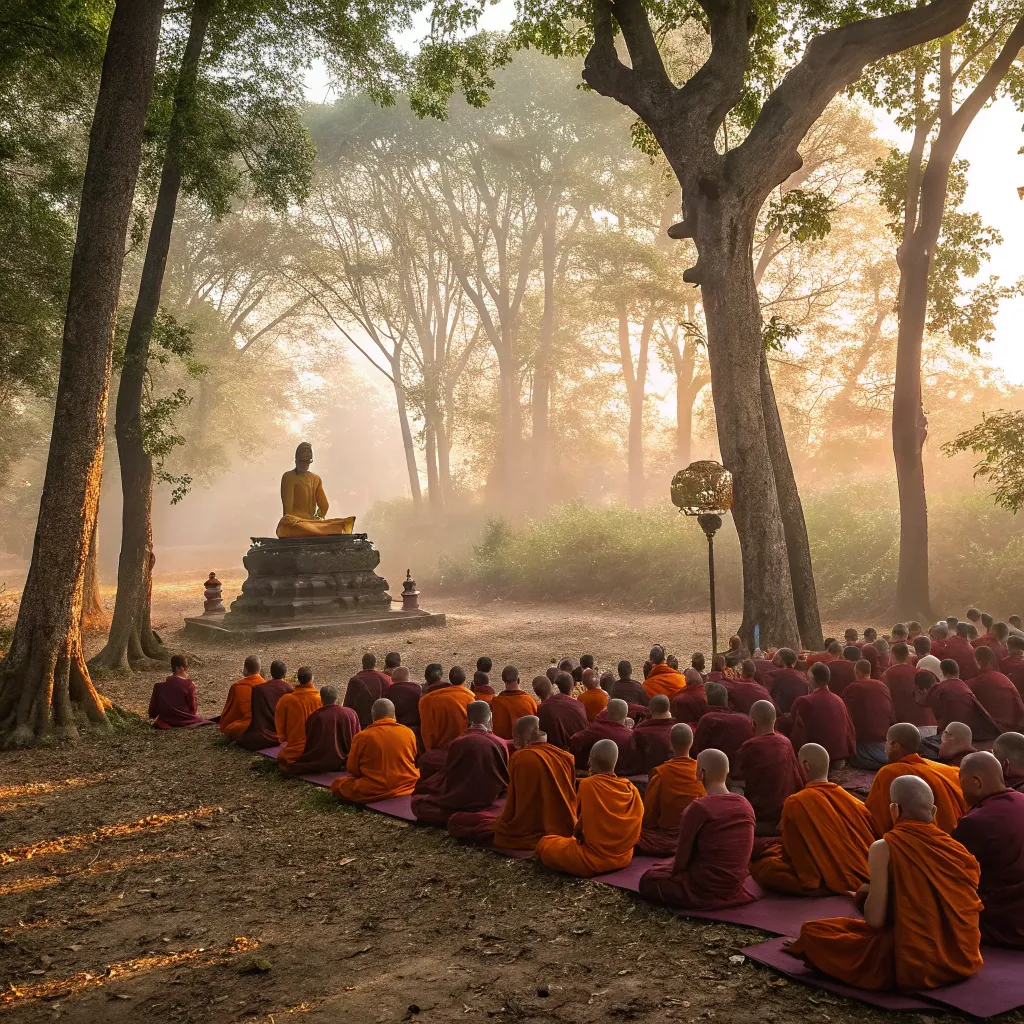
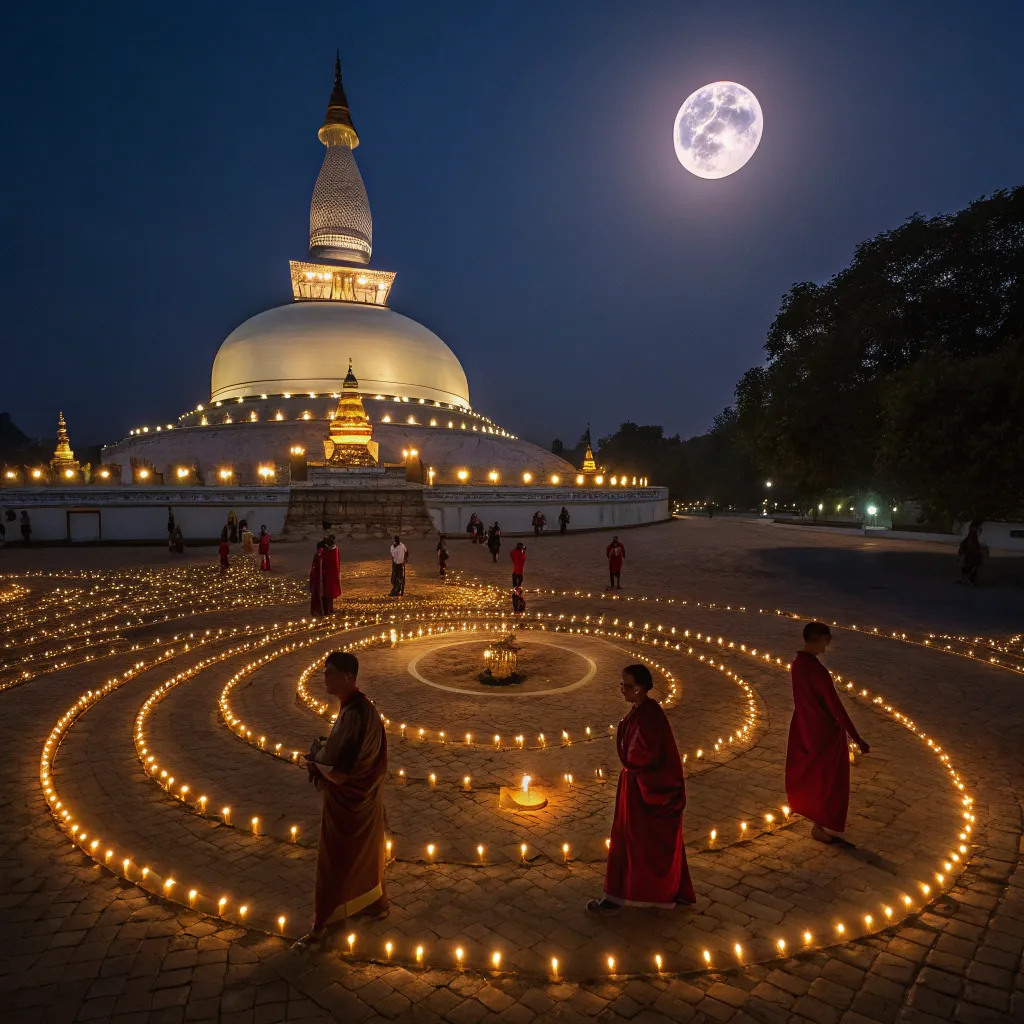
Magha’s full moon marks one of the most meaningful days in Theravāda Buddhism: Sangha Day, also known as Magha Puja. The origin story dates back over 2,500 years, when 1,250 fully enlightened monks—without invitation or coordination—gathered at the Bamboo Grove in Rajagaha, where the Buddha resided.
This event was extraordinary. All monks arrived on the same day, were ordained directly by the Buddha, and had achieved arahant status. It’s believed that the gathering included a circumabulation around the Buddha, symbolizing their shared reverence and spiritual alignment. In response, the Buddha delivered the Ovada Patimokkha, summarizing the core principles of his teachings:
“To refrain from evil, to do what is good, and to purify the mind.”
Since then, Sangha Day has become a time for monastics and lay practitioners to reunite, share teachings, and celebrate the strength of spiritual community.
A Deeper Layer: Buddha’s Final Declaration
According to Buddhist tradition, the full moon of Magha in the Buddha’s 80th year held another layer of importance. It was during this lunar moment that the Buddha announced his passing would occur in three months, marking the beginning of his final journey toward Parinirvana.
While it’s uncertain whether this event was ritually commemorated at the time, it adds a profound emotional and philosophical dimension to Magha, inviting practitioners to reflect on impermanence, legacy, and the transient nature of life itself.
The Role of Sangha in Magha Observances
Strength in Shared Practice
The term Sangha refers to the collective of monks, nuns, and lay practitioners who walk the path of Dhamma together. During Magha, Sangha observances include group meditations, Dhamma talks, circumabulation around stupas or sacred images, and communal rituals that strengthen bonds of compassion and wisdom.
What makes Sangha Day unique is its emphasis on spiritual interdependence—the idea that while the path to awakening is personal, it is most powerfully sustained through connection and shared values.
Breath Meditation: The Gateway to Inner Clarity
Why the Breath?
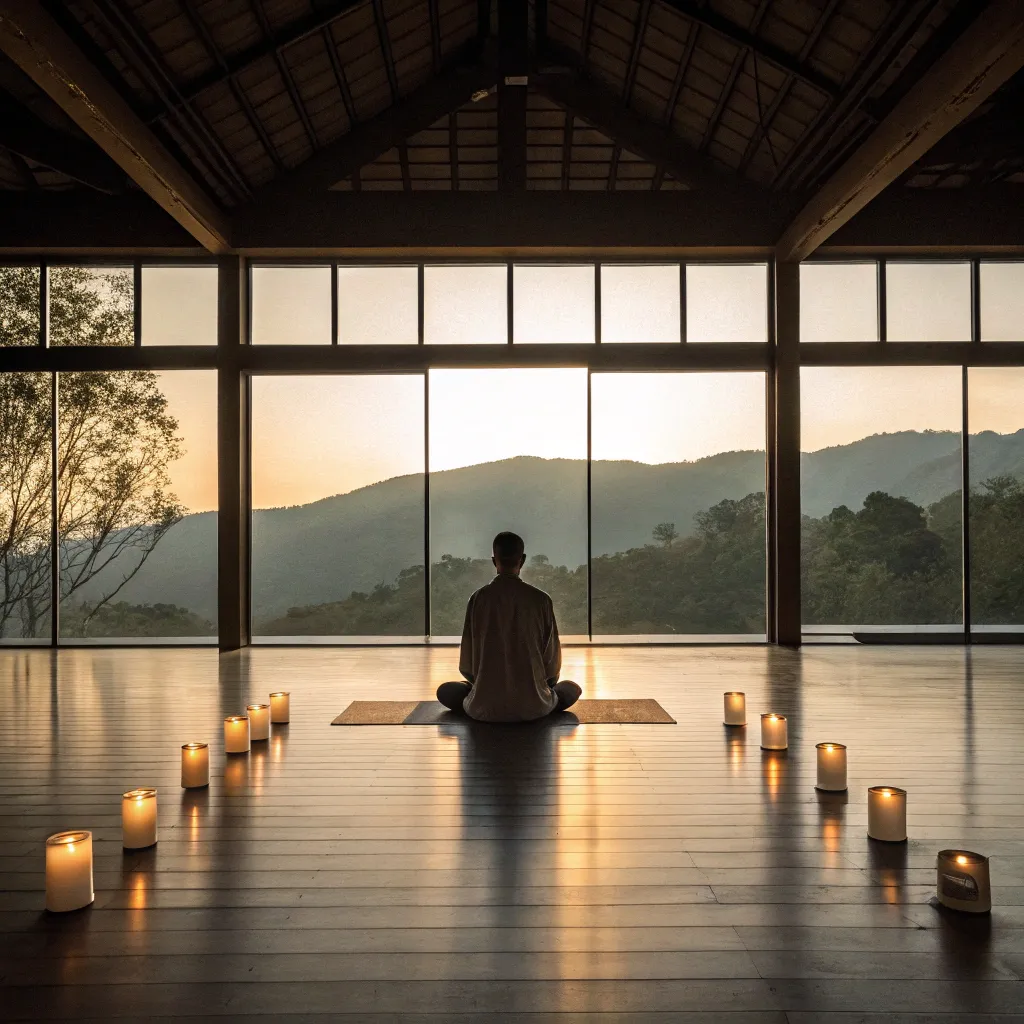
Breath meditation (Anapanasati) is one of the most accessible and transformative practices in Buddhism. The breath is always with you—cost-free, portable, and unaffected by external conditions. Unlike yogic pranayama practices that control the breath, Buddhist breath meditation is about observing the natural flow of inhaling and exhaling, training the mind to settle into the present.
The Core Teaching: Anapanasati Sutta
The Anapanasati Sutta, one of the Buddha’s foundational discourses, outlines a step-by-step method for using the breath to cultivate concentration (samadhi) and insight (vipassana). The practice begins with observing long and short breaths, gradually deepening to awareness of bodily sensations, feelings, and mental states.
Table: Key Insights on Magha Month and Breath Meditation
| Element | Description |
|---|---|
| Magha Month | Third month in Indian lunar calendar; late Feb to early March |
| Sangha Day | Commemorates the gathering of 1,250 arahants on the full moon |
| Ovada Patimokkha | Core teachings: avoid evil, do good, purify the mind |
| Buddha’s Declaration | Announced his passing three months later, adding gravity to Magha’s meaning |
| Anapanasati | Breath meditation practice outlined in Buddhist scriptures |
| Benefits of Breath Meditation | Enhances calm, focus, mindfulness, and insight into impermanence |
| Ideal for | Daily stress relief, spiritual practice, emotional regulation |
Breath Meditation as a Daily Companion
The Beauty of Simplicity
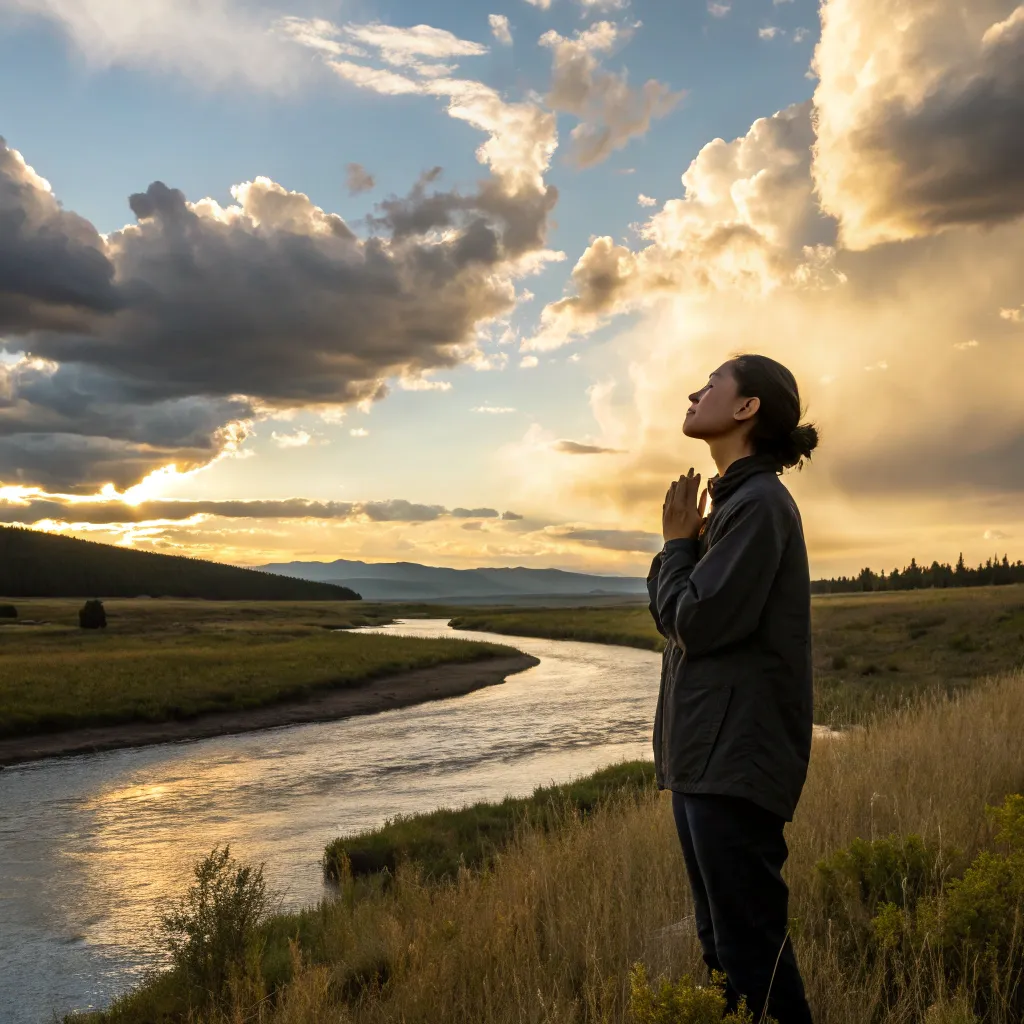
In a world of endless distractions, breath meditation offers something rare—a quiet, accessible, and grounded way to return to yourself. Whether you’re sitting in silence, engaging in mindful circumabulation, or walking through daily routines, your breath can become an anchor.
Try this: the next time you’re overwhelmed, pause and take three slow, conscious breaths. Observe the air moving in and out. Feel the shift. Even a few seconds of attention can reset your emotional and mental state.
Techniques for Breath Awareness: From Counting to Insight
Getting Started: Count Your Breaths
One of the most effective entry points into breath meditation is counting breaths. This practice involves mentally counting each inhalation and exhalation—typically up to ten—and then starting again. If the mind wanders, as it naturally will, gently return to the breath and begin the count anew.
This simple method trains the mind in gentle discipline and sustained attention, which are crucial for developing deeper concentration over time.
Following the Flow: Tracking the Breath’s Journey
Another common approach is to observe the natural rhythm of the breath without interference. Feel the air as it enters the nostrils, travels down the throat, expands the lungs, and leaves the body. Much like circumabulation, the breath moves in a circular, flowing rhythm—reminding us of life’s continuous cycle.
This mindful observation cultivates presence and clarity, grounding the practitioner in the here and now.
As focus deepens, the breath may become subtler. This is a good sign—it means the mind is calming and entering a state of heightened inner stillness.
Deepening the Practice: From Focus to Insight
Reaching Absorption: The Jhana States
As concentration builds, some practitioners experience jhana—states of meditative absorption marked by intense focus, bliss, and equanimity. These stages are not the goal, but rather natural milestones on the meditative path.
Moving into Vipassana: Seeing Clearly
Eventually, attention shifts from the breath itself to the nature of mind and reality. This transition, known as vipassana or insight meditation, reveals key truths such as:
- Anicca: Impermanence
- Dukkha: Unsatisfactoriness
- Anatta: Non-self
Through direct observation, practitioners begin to understand that all phenomena—thoughts, emotions, even the breath—are fleeting. This realization can lead to profound inner freedom and reduced attachment to mental and emotional fluctuations.
Integrating Breath Awareness into Daily Life

Beyond the Cushion: Portable Mindfulness
The true power of breath meditation lies in its portability. You don’t need a quiet room or incense to practice. Breath awareness can be woven into everyday moments:
- Waiting in line
- Driving in traffic
- During a heated conversation
- Before an important presentation
Each scenario becomes a chance to reconnect with the body and steady the mind. In this way, breath meditation evolves from a practice into a way of being.
Emotional Intelligence Through the Breath
Tuning into Inner Signals
Breath is not only a tool for focus—it’s also a barometer for emotional states. Shallow breathing often signals anxiety; tightness in the chest may indicate anger or fear. When we learn to detect these changes early, we gain the power to respond rather than react.
Breath awareness builds the space between stimulus and response, giving us the clarity to make mindful choices in challenging situations.
The Breath as a Mirror for Life
Embracing Impermanence, One Breath at a Time
Each breath rises and falls, just like moments in life. Each step of circumabulation, too, mirrors this rhythm—a walking meditation that helps internalize impermanence through movement. This cycle is a living example of impermanence—the fundamental truth that nothing lasts forever. Observing this flow helps us let go of clinging, fostering a deeper sense of contentment and presence.
Whether joyful or painful, every experience becomes more manageable when seen through the lens of the breath—transient, evolving, and not ultimately who we are.
Final Thoughts: The Sacred Synergy of Magha and Mindfulness
Magha Month invites us into community reflection and individual stillness. The historical gathering of enlightened monks on Sangha Day reminds us of the strength found in shared intention. Breath meditation, in turn, offers a tool for realizing that intention on a personal level—moment by moment, breath by breath.
As these two practices converge, we are offered a rare gift: the chance to anchor ourselves in tradition while exploring the present with fresh awareness. And in that space between the inhale and exhale, something extraordinary unfolds—clarity, peace, and the path forward. Whether through silent breath or ritual circumabulation, Magha offers a living invitation to embody mindfulness in motion.

Bonus Table: Simple Practices to Deepen Breath Awareness
| Practice | Description |
|---|---|
| 3-Breath Pause | Take 3 slow, deep breaths anytime you feel overwhelmed or distracted |
| 10-Count Breath Meditation | Count from 1 to 10 with each breath, then start again to sharpen focus |
| Body Scan with Breath | Follow the breath as it moves through different areas of the body |
| Labeling Thoughts | When distractions arise, gently note them (e.g., “thinking,” “planning”) |
| Daily Check-In | Pause 3 times a day to observe your breathing for 1 minute |