
Explore a Mindful Path with
Anand Swaroop Maharaj
In a world that often feels overwhelming, many are turning inward, searching for clarity, peace, and a deeper connection to life. That’s where Anand Swaroop Maharaj steps in—a spiritual teacher whose approach combines the devotion of Bhakti Yoga with grounded, practical wisdom suited for the modern seeker.
A Modern Spiritual
Voice Rooted in Ancient Wisdom
With a background in both engineering and business, Anand Swaroop Maharaj brings a rare and refreshing clarity to the spiritual conversation. His teachings connect the dots between logic and love, tradition and transformation. Whether you’re new to spiritual practice or looking to deepen your path, his message meets you where you are—with compassion and purpose.
What sets him apart? It’s his ability to take timeless principles and make them feel personal, relevant, and alive.



Traditions That Unite Us
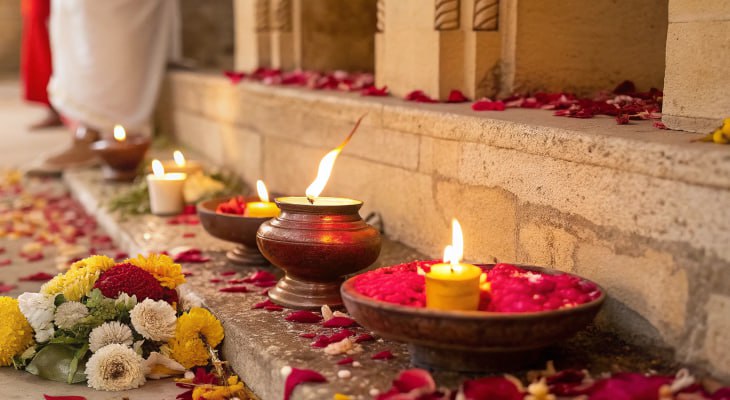
In spiritual traditions, shared moments often hold as much meaning as personal reflection. Within Buddhist-inspired cultures, rituals and gatherings offer more than symbolic value—they become touchpoints for inner clarity and collective purpose.
Ceremonies That Ground and Inspire
Spiritual ceremonies provide structured moments for gratitude, introspection, and renewal. These events mark meaningful milestones and help practitioners reconnect with their purpose. Whether it’s a seasonal festival or a simple group prayer, these experiences remind participants of the deeper values guiding their journey.
Sangha: The Strength of Shared Practice
A supportive spiritual community—or Sangha—plays a crucial role in sustaining one’s inner work. It offers companionship, shared wisdom, and encouragement in moments of doubt. Being part of a Sangha helps individuals stay committed to their path, while fostering a deeper sense of human connection and understanding.
Bhakti Yoga
Meets Everyday Life

Maharaj is more than a teacher—he’s a bridge between ancient Vedic teachings and the everyday realities of modern life. As a senior disciple of Jagadguru Shree Kripaluji Maharaj, he carries forward a lineage of wisdom, and as the creator of Jagadguru Kripaluji Yog, he offers a holistic system that blends physical wellbeing with spiritual growth.
New Book Release
Nourish Your Soul
Nourish Your Soul: Inspirations from and Lives of Great Saints is a powerful tribute to 11 saints whose lives were marked not by ease, but by unwavering faith through life’s hardest trials. From illness to loss to rejection, their stories remind us that the path to the divine is often paved with courage, not comfort.
This isn’t just a spiritual biography—it’s a reminder that every challenge can be a step toward awakening.
Frequently Asked Questions
Curious about the teachings of Anand Swaroop Maharaj or how to begin your own path to inner peace?
You’re not alone. Below, we’ve answered some of the most common questions to help you understand the core principles and how they apply to everyday life. Whether you’re new to spiritual practice or simply exploring, these insights are here to guide and support you.


Buddhist Principles
That Deepen the Journey

Anand Swaroop Maharaj’s teachings beautifully echo the core values of Buddhist philosophy—especially when it comes to mindfulness, compassion, and environmental awareness.
Mindful Living: Being present in every moment is the first step toward transformation.
Compassion in Action: Whether it’s listening with intention or living sustainably, every choice matters.
Wisdom Through Simplicity: Let go of what doesn’t serve. Embrace what truly matters.
Spirituality in Practice
Daily Tools for Inner Growth
| Practice | Core Value | What It Brings |
|---|---|---|
| Mindful Eating | Awareness & Gratitude | A deeper connection to food and life |
| Compassionate Listening | Loving-Kindness | Stronger relationships, less conflict |
| Eco-Conscious Living | Ethical Responsibility | Respect for the planet and all living beings |
| Volunteering | Service Through Compassion | Real impact—spiritual and social |
| Reflecting on Impermanence | Wisdom & Detachment | Peace with change, freedom from attachment |
1690+
Global Practitioners
42+
Team Members
15+
Years of Teaching

Community
oin a Global Spiritual Community
Step into a space where ancient wisdom meets modern connection.
The teachings of Anand Swaroop Maharaj reach far beyond borders, touching lives through in-person satsangs, immersive retreats, guided workshops, and global digital platforms.
Whether you’re joining a local meditation circle or participating in a live-streamed discourse from halfway across the world, you become part of a growing family of truth-seekers, learners, and mindful changemakers.
Here’s what you can expect as part of the community:
Regular Satsangs & Talks – Engage with timeless teachings and ask your own questions
Retreats & Pilgrimages – Experience deep transformation in serene, sacred locations
Online Events & Study Groups – Accessible spiritual learning, wherever you are
Peer Support & Discussion Forums – Share experiences and grow together
Personalized Guidance – Opportunities to receive insight directly from teachers and mentors
🌐 Sacred doesn’t mean separate. It means connected.
-
Navratri Colours 2025: Spiritual Meaning
Every autumn, the festival of Navratri transforms Indian homes and streets into a vibrant celebration of colour, rhythm,…
-
Navratri Colours and Devi Names: Heritage and Symbolism
Navratri is one of the most vibrant Hindu festivals, uniting communities through song, fasting, ritual, and colour. While…
-
Navdurga: The Nine Forms of Devi and Their Living Tradition
Every autumn, homes and public pandals across India light up for Navratri. Over nine nights, devotees celebrate the…
-
Brahma Muhurta: Time, Meaning, and Significance
The concept of Brahma Muhurta (ब्रह्म मुहूर्त) has been part of Indian spiritual life for centuries. Often translated…
-
108 Names of Lord Shiva: Origins, Meanings, and Legacy
The figure of Lord Shiva has fascinated seekers, saints, and scholars for centuries. Unlike deities who fit into…
-
Adiyogi in Karnataka: The Source of Yoga in Chikkaballapur
Located near the serene slopes of Nandi Hills, just north of Bangalore, the Adiyogi Shiva statue Chikkaballapur is…
-
The Eternal Power of Shiv Tandav Stotram
The Shiv Tandav Stotram (शिव तांडव स्तोत्र), also called Shiva Tandava Stotram, is among the most intense and…
-
बुद्ध वंदना से त्रिरत्न तक: बौद्ध परंपरा के स्तुति गीतों की एक आध्यात्मिक यात्रा
बौद्ध धर्म केवल एक दर्शन नहीं, बल्कि जीने की एक पवित्र शैली है। इसकी वंदनाएँ — चाहे वह…
-
हिंदू-बौद्ध परंपरा में लोकप्रिय शिशु नामों की विस्तृत समीक्षा
हिंदू-बौद्ध सांस्कृतिक विरासत सदियों से आध्यात्मिकता, नैतिक मूल्यों और ज्ञान पर आधारित है। जब किसी परिवार में नया…
-
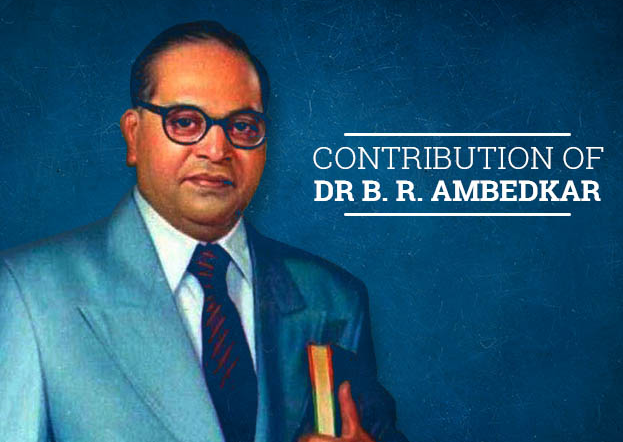
डॉ. बाबासाहेब आंबेडकर का सामाजिक योगदान
क्यों 14 अप्रैल और 6 दिसंबर राष्ट्रीय स्मरण के दिन हैं? हर साल 14 अप्रैल भारत के लिए…
-
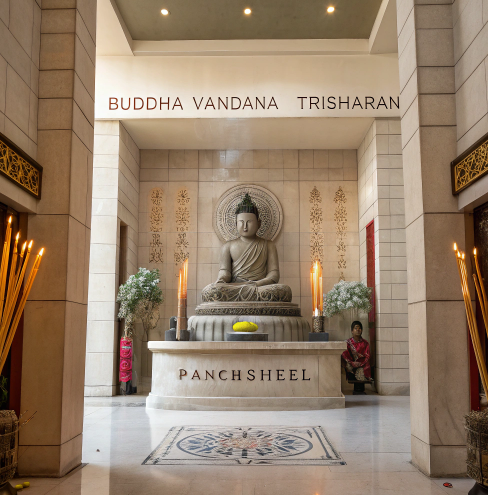
Buddha Vandana, Trisharan, and Panchsheel: The Foundation of Buddhist Conduct
For English Readers: Understanding the Practice The chants of Buddha Vandana, Trisharan, and Panchsheel are not limited to…
-
Dhamma: The Living Law of Nature and Inner Harmony
Reclaiming the Lost Meaning of Dhamma Over the last two millennia, the meaning of “Dhamma”—originally rooted in clarity…