
Transforming Annoyance with Loving-Kindness
A Buddhist Approach
From Frustration to Freedom
We’ve all been there—stuck in traffic, dealing with a rude comment, or replaying an irritating moment in our minds. But what if we could use those very experiences to train the mind in calmness and compassion? Drawing from the Aghatapativinaya Sutta and other Buddhist teachings, this article offers practical and emotional tools to dissolve annoyance and deepen inner peace.
Opening the Heart
Cultivating Metta in Moments of Agitation
In Buddhism, loving-kindness (Metta) isn’t a passive ideal—it’s an active practice. When annoyance arises, rather than fueling it, you can deliberately wish well to the person who triggered you. This may sound counterintuitive, but studies in psychology now echo what Buddhism has long taught: wishing others well reduces stress and builds resilience.
Try silently repeating phrases like:
“May they be safe. May they be happy. May they be at peace.”
This doesn’t excuse bad behavior—it shifts your relationship with it. You begin to see beyond the irritation, connecting with the shared humanity of the other.
Seeing Through the Lens of Compassion
Karuna as an Antidote to Annoyance
Where Metta offers warmth, compassion (Karuna) adds depth. Instead of reacting to someone’s frustrating actions, compassion invites a question: What pain might they be carrying that causes them to act this way?
This small shift—from judgment to curiosity—softens the mind and invites connection over conflict. As Buddhist teachers often say: “Hurt people, hurt people.” And through compassion, we meet that cycle with healing.



Equanimity: Finding Inner Balance Amidst Disruption
Upekkha in Daily Life
When you feel yourself being pulled into emotional reactivity, the practice of equanimity (Upekkha) can bring balance. This isn’t indifference; it’s calm clarity, the ability to observe without attachment or aversion.
Equanimity reminds us:
- Everyone has strengths and flaws.
- Everyone is shaped by causes and conditions.
- Not everything needs our emotional investment.
This mindset helps us respond thoughtfully rather than impulsively—a shift that can transform relationships and preserve our inner peace.
Practical Wisdom: Letting Go of Grievances
Sometimes, peace starts with a conscious decision to release. Letting go doesn’t mean approving harmful behavior; it means no longer letting it occupy your mental real estate.
If you water annoyance with attention, it grows. If you shift focus to something meaningful, it fades.sible for their own actions, we’re no longer entangled in their karmic consequences. We choose release over resentment, and clarity over emotional clutter.
Table: Core Buddhist Practices for Managing Annoyance
| Practice | Description |
|---|---|
| Metta | Sending loving-kindness to self and others, especially those who irritate us |
| Karuna | Cultivating compassion by seeing others’ pain behind their actions |
| Upekkha | Maintaining balance through non-reactive awareness |
| Letting Go | Choosing not to dwell on irritation, redirecting energy to peace |
| Kamma Awareness | Remembering that each person owns their actions and their outcomes |
Kamma and the Ownership of Action
Everyone Walks Their Own Path
According to Buddhist thought, each being is the heir of their actions—a concept known as Kamma. When we recognize that others are responsible for their own karmic consequences, we free ourselves from carrying their behavior emotionally.
That annoying co-worker? That disrespectful stranger? Their path is theirs. Your response is yours. And when that response is rooted in wisdom, you’re not just protecting your peace—you’re cultivating spiritual maturity.
Learning from the Buddha’s First Teaching
The Deer Park Discourse as a Model of Grace
Buddha’s first sermon, delivered in the Deer Park of Isipatana, provides a powerful example of how truth and presence can disarm resistance. According to tradition, the Buddha encountered five former companions who had once abandoned him. Yet, through his calm demeanor and the clarity of his words—rooted in the Four Noble Truths—he transformed skepticism into understanding.
This teaching moment is more than history—it’s a lesson in how compassion and insight can dissolve division. Even when faced with rejection or annoyance from others, we can anchor ourselves in truth, just as the Buddha did, and respond with grace instead of defensiveness.
Celebrating Growth: Buddhist Festivals as Reminders of Wisdom
Wesak: Enlightenment Remembered
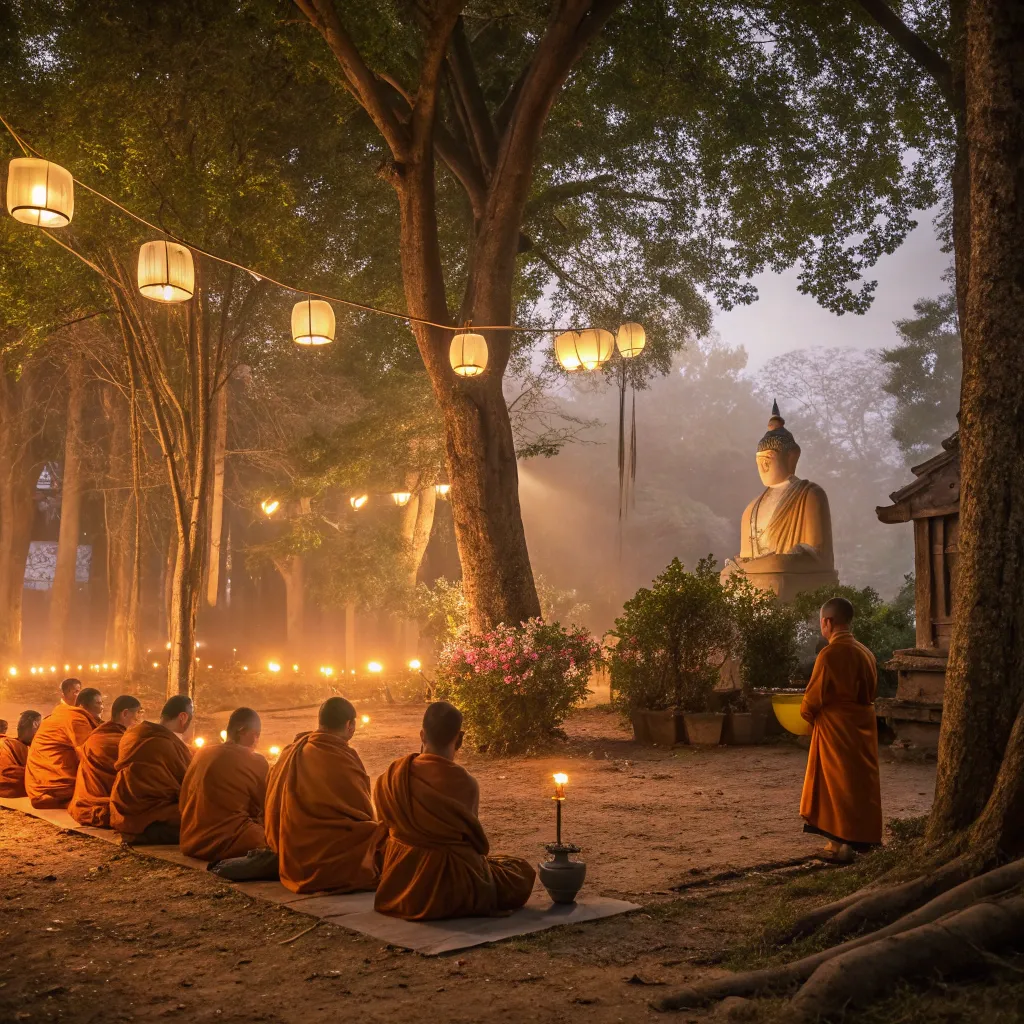
Wesak, celebrated on the full moon of May, commemorates three pivotal events in the Buddha’s life—his birth, enlightenment, and passing into Nirvana. It’s a time when practitioners reflect on the potential for awakening within all of us.
Temples are adorned with lanterns, devotees offer flowers and candles, and acts of kindness are performed in Buddha’s honor. These rituals are not just celebratory—they’re symbolic. Each one reminds us to light the lamp of loving-kindness, even in dark moments of frustration.
Asala Puja: The Turning of the Dharma Wheel
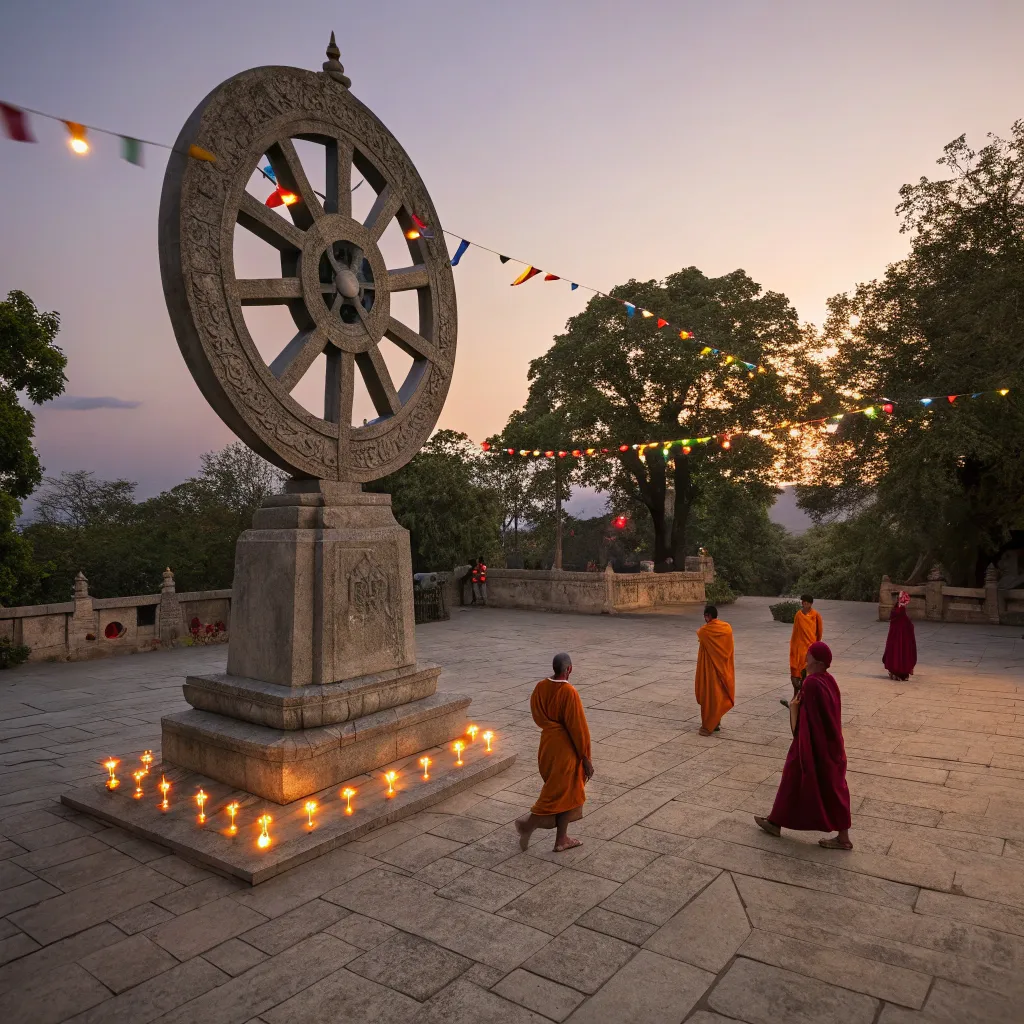
Another important celebration is Asala Puja, which honors the Buddha’s first discourse—the same Deer Park teaching mentioned earlier. It marks the symbolic “Turning of the Wheel of Dharma”, and encourages reflection on core teachings like:
- The truth of suffering
- The cause of suffering
- The end of suffering
- The path that leads to peace
This festival urges us to not only hear these truths but to live them, especially in challenging emotional moments. When annoyance arises, these teachings offer a framework for transformation.
Rites of Passage: Honoring Commitment on the Path
From Refuge to Renunciation
In Buddhism, rites of passage symbolize key moments in one’s journey. Taking refuge in the Three Jewels—the Buddha, the Dharma, and the Sangha—is often the first step, a formal commitment to walk the path of wisdom and compassion.
For those who go further, ordination as a monk or nun marks a deep level of dedication. Each stage is not only a change in external life but a ritualized opportunity to let go of old patterns—anger, attachment, blame—and embrace clarity and purpose.
Puja: Devotion as a Daily Practice
A Ritual for the Heart
Puja ceremonies—whether performed in bustling temples or quiet homes—offer a structured way to center oneself in gratitude, humility, and focus. Through offerings, chanting, and bowing, practitioners renew their connection with the Dharma and soften the mind.
Even short morning or evening pujas can be powerful tools for managing emotion. When practiced regularly, puja helps reinforce equanimity and compassion, so that daily irritations feel less overwhelming.
Creating a Meditation Cushion: A Personal Act of Mindfulness
Why Craft Your Own?
Just as we build inner peace through thought and action, we can reflect that intention in our physical practice. Making your own meditation cushion is both a practical and symbolic step toward committing to mindfulness.
It’s more than DIY—it’s a tactile affirmation that your path matters. Plus, sitting on something you made yourself creates a direct emotional connection to your meditation practice.
How to Make a Meditation Cushion
Materials and Measurements
Start with a durable fabric like cotton duck or a cotton-poly blend. Choose your filling: kapok for a traditional feel, or buckwheat hulls for supportive, adjustable comfort.
| Component | Measurement Range | Notes |
|---|---|---|
| Fabric Strip | 59 inches long, 6–9 inches wide | Width affects height of cushion |
| Circular Pieces | 11–13 inches in diameter | Determines seat size; use two identical circles |
| Filling | Kapok, buckwheat, foam | Adjust to desired firmness and sustainability preference |
Assembly and Finishing
- Pleat the fabric strip: mark and iron 14 pleats, spaced for even distribution.
- Sew the ends together, leaving a gap for turning and stuffing.
- Pin and sew the circles to either end.
- Turn right-side out, then fill with your selected material.
- Add a fabric handle over the seam for extra polish and portability.
A Cushion for Daily Use
Using a cushion you’ve made with your own hands reinforces the idea that mindfulness is a personal and evolving process. Each time you sit, you’re reminded of your commitment, your care, and your capacity to create peace—both within and around you.
Final Thoughts: From Annoyance to Awareness
Transforming annoyance isn’t about suppression—it’s about alchemizing reactivity into insight. Buddhism offers more than ideas—it offers practices that reshape perception and behavior.
Through loving-kindness, compassion, equanimity, and self-reflection, you can meet irritation with clarity. Through festivals, rituals, and even the making of a cushion, you build a life rooted in mindfulness—where peace isn’t a goal, but a way of living.